Ethics of Sustainable Living

Numerous resources exist on sustainable living, methods and tips on reducing waste and shrinking your footprint on the earth, but not enough focus is put on incentivizing people to actually engage in these methods.  This disconnect poses the greatest issue to the adoption of clean energy, eco-friendly technology, and protection of the environment.  To create a large lifestyle change in the general public is a tall task, thus the onus must be placed on every individual as a moral duty even when no one else is watching.  The ethics of sustainable living should no longer be seen as a personal choice certain individuals make, but a moral obligation for all.  In the same way we have the duty to not pollute common discourse with slurs or epithets, we maintain a similar responsibility to not pollute or waste the physical world around us.  As with all duty ethics, where to draw the line of a personal duty is the fundamental issue; en masse burning of fossil fuels clearly is destructive and thus not morally permissible when other energy alternatives exist, but should the same energy be applied to a person to adopt low-flow faucets and take shorter showers?  This issue requires at least an article unto itself, but the purpose of this piece is simply to convince the reader of their duty to the environment.  

In David Wallace-Well’s piece “The Uninhabitable Earth,” he dissects the numerous ways climate change will, to be frank, screw us all in tremendous fashion.  He directly engages eight consequences from climate change which, as the name of the piece suggests, make the earth uninhabitable.  In addition to well-known effects such as sea-level rise, he points out the ocean will also become more poisonous as acid levels grow, “fry fish populations directly,” killing sea life which cannot adapt and causing illness and death for the coastal populations, which constitutes nearly half of the global population.  Peter Singer’s One World Now introduces the question of which nations hold the greatest responsibility to amend the atmosphere.  This national perspective, and similar ones about which companies are at fault, distracts from the greater issue that it is up to every individual to enact change in their life.  Countries (democracies at the very least) and companies follow the actions of their civilians and customers.  Clearly, there is little an average American citizen can do about the burning of fossil fuels in China, and thus the discussion of how to ensure the actions of another country do not doom us all is perfectly worthwhile.  What we have more direct control over however is what occurs in our lives.  Product choice and how a person lives their life is decided entirely or nearly entirely by that person.  

From a utilitarian perspective, living an unsustainable lifestyle deprives future generations, if not yourself, of future happiness for short-term enjoyment.  John Stuart Mill recognized this when formalizing his perspective on utilitarianism–the existence of higher and lower pleasures recognizes some forms of pleasure are more valuable than others.  In the case of sustainability, this would be akin to short term pleasure one gets when finding a cheap purchase made through immoral and unsustainable means, juxtaposed with the long term satisfaction of a more durable product, and one that leaves the user feeling as though they have contributed to very continuation of human society.  Blue Zones are areas of the world with a much higher life expectancy than average, and of the common traits among the five recognized Blue Zones is some life purpose.  This suggests humans long to feel as if they are part of something greater, something which gives them motivation beyond themselves to get out of bed every morning, and what greater sense of purpose exists than the continuation of mankind?
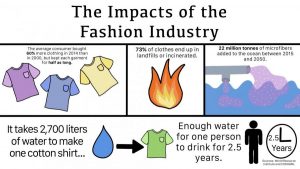
For the first few hundred thousand years of human existence, the primary struggle was scarcity of resources, and in under a hundred years that has flipped to now become the struggle of surplus.  Little thought was given to the ethics surrounding waste and environmental degradation as those were limited in scale by technology, and thus it has not been ingrained in every person with the same vigor as other ethical issues, or even as a moral issue at all.  We are quickly realizing the negative ramifications of this lackadaisical attitude and without a sharp mental adjustment of most of the world, this will likely be the only time we are able to make such a mistake.


Wallace-Wells, David. “The Uninhabitable Earth.” (July 10, 2017). New York Magazine. https://nymag.com/intelligencer/2017/07/climate-change-earth-too-hot-for-humans.html 


Singer, Peter. One World: The Ethics of Globalization. New Haven: Yale University Press, 2002. Print.


Mill, John Stuart. Utilitarianism. London, Parker, son, and Bourn, 1863. Web.. Retrieved from the Library of Congress, <lccn.loc.gov/11015966>.

Why You Should Grow Wild Flowers Instead of a Green Lawn

By: Annaliese White

Living in the Greenbelt Resident Community has given me so much insight into new sustainability practices and habits, it has taught me how to eat “Greener” and to love nature in all of its forms. One of my favorite past times while living in the Greenbelt has been picking some of the Wild Flowers that have grown in our backyard, as it has given me much joy having fresh, beautiful flowers all around our cabin. Through the teachings of my fellow Greenbelt residents, I have come to learn just how unsustainable green lawns are. Before being apart of this program, I never gave too much thought about the sustainability of most people’s lawns, as it never occurred to me that it could be harming the environment!

The Negative Impacts of Green Lawns

Not only are lawns expensive and can be a lot of upkeep work, but there are various aspects that go into taking care of a lawn that are pollute the environment. For example, the burning of gasoline in lawn mowers, toxic pesticides and fertilizer which pollute the water sources, and the vast quantity of water that is wasted by sprinklers. The gasoline burned in the lawn mowers contribute to the greenhouse gases, which is hurting our atmosphere. Another harmful effect of so many homeowners planting grass lawns is that it causes other forest life, like weeds and many other plants to be ripped out of the ground, reducing their populations.

One of the main benefits of having a wildflower garden or meadow instead of a grassy lawn is that wildflowers are easier to care for and do not require the consistent watering or maintenance that green lawns need. Having a wildflower garden also increases biodiversity and allows for other species of plants and flowers to flourish. Also, having a meadow can attract wildlife such as deer to your yard which would allow them to feed without worrying about any external threats. Overall the benefits of having a wildflower garden greatly outweigh the pros and cons of having a grass lawn, which is why more homeowners should make the switch to a wildflower garden or meadow!


The Aesthetics of Having a Wildflower Meadow

Sources:

https://www.americanmeadows.com/replace-lawn-with-wildflowers

https://conservationtools.org/guides/151-from-lawn-to-meadow

http://www.gogreen.org/blog/the-environmental-impact-of-lawns


It’s More Than Shorter Showers and No Meat…………

By: Sydney McManus

Throughout the 2020-21 Academic Year, I have been faced with many opportunities to grow and learn as a member of a sustainable community. I have grown not only as a member of Greenbelt and the community that has been established here, but also through academics, club involvement, and my Shi Institute Fellowship. From learning about sustainable living through Greenbelt classes, reading books about the pressing issues of modern consumption and production in my Environmental Health course, and recognizing and promoting global initiatives through fellowship events and more, I have continued to find that sustainability is so much more than shorter showers, making a switch to a vegan or vegetarian diet, or anything else we often associate with the stigma of sustainability. Sustainability is pervasive in all sectors of our lives but embodies consideration beyond ourselves, a concept that often gets away from us.


Coming to Furman just one, almost two, short years ago, sustainability was not on my radar, yet here I am a couple of years later, enthralled with the idea of sustainability, living in a community which not only includes the best housing on Furman’s campus, but also a group of individuals who appreciate the idea of a focus beyond ourselves, directing that focus toward a global awareness and consideration of the wellbeing of all people, animals, and the environment, something that recently has come to my attention to be known as “One Health.”

Image 1: One Health Diagram https://www.uaf.edu/onehealth/


One Health is defined by the CDC, which we are all too familiar with in light of the COVID-19 Pandemic, as “a collaborative, multisectoral, and transdisciplinary approach—working at the local, regional, national, and global levels—with the goal of achieving optimal health outcomes recognizing the interconnection between people, animals, plants, and their shared environment” (Centers for Disease Control and Prevention, 2021). Throughout the past two semesters, I have had the opportunity to apply sustainability to my life and education leading me in the direction of “One Health” without even realizing it.


Through conscious thought devoted to the impact I am having on the environment and my greater community; I regularly reflect on how my actions are impacting those around me who may not have the luxury of focusing on anything beyond survival. From disproportionate environmental burdens associated with issues of environmental justice and concepts like the Tragedy of the Commons a concept that embodies the idea that people behave in a way that pursues their own interest, desire, and need without consideration of wide-spread needs and long-term effects (Hardin, 1968), I have begun to truly learn and further develop my recognition of the scope of sustainability.


Image 2: Greenbelt Cottage Community During Arbor Day Tree Planting

I could talk for days about all the things I have learned within Greenbelt, from my community members who have become my friends, and through my classes the past two semesters, but I will spare us all the lengthy discussion that comes with the excitement that is invoked when I think about the scope and growth to come from sustainability focus and initiatives. But with the end of the semester, and my time in the Greenbelt I will share this, find a community that encourages and grows with you, find an aspect of sustainability that excites you, and always think beyond your own four walls and remember as Greta Thunberg said, “Homo Sapiens have not yet failed. Yes, we are failing, but there is still time to turn everything around. We can still fix this. We still have everything in our own hands.” (Thunberg, 2021)


Centers for Disease Control and Prevention. (2021, April 16). One Health. Centers for Disease Control and Prevention. https://www.cdc.gov/onehealth/index.html.

Hardin, G. (1968). The Tragedy of the Commons. Science, 162(3859), 1243–1248. https://doi.org/10.1126/science.162.3859.1243

Thunberg, G. (2021). No One Is Too Small to Make a Difference. Random House UK.

Why You Should Care about Biodiversity

By Annika Patterson

As Furman students, one of the many advantages of our gorgeous campus are the thriving populations of animals that cohabit with us. Whether in reference to the ducks and fish in the lake, the squirrels and birds in the trees and the hundreds of insects that illicit a variety of reactions, all of these lives are so precious and each gives back to our ecosystem in ways we seldom acknowledge. 

Biodiversity is a topic that is close to my own heart as I have always loved and cared for animals. In the courses I have taken at Furman I have had the opportunity to learn even more about the terrible ways climate change has already, and will continue to affect our earth’s biodiversity. The Planetary boundaries, a term familiar to any fellow students of sustainability classes here at Furman, are a scientific-based framework for the analysis of the risk that humans are contributing to at which some point will destabilize the entirety of the earth system. Basically, a measurable scale in which we can determine the long term effects humans production and consumption are having on different systems of the earth, and boundaries in which we have established to try and avoid crossing to avoid this. As we are standing currently on this scale, globally we have more than crossed the planetary boundary for biodiversity loss. The boundary was set at less than 10 extinctions per million species year and in the holocene alone we can track a loss of 10-100 extinctions per million species year, a loss that resembles mass extinctions in millennia past.

The planetary boundaries are all connected in balancing each other out and further pushing each other towards a tipping point. This is shown in how species richness, a measurable subsection of biodiversity that is simply the number of different species, is important for the maintenance of the biosphere. The diversity of a number of species helps balance out ecosystems and provides a necessary resilience.

An example of nature and how it usually balances itself, and our reliance on such, is the disaster that is the Furman lake. A man made lake from the foundation of this location back in the 80s, it has been slowly deteriorating ever since. Constant projects over the years have aimed to restore the lake to a less sediment filled pool for disease has thus far been unachievable. The Furman lake is small in comparison to the majority of lakes i’ve visited in my life, and those naturally made lakes (whether or not a dam has been added) have been majorly self sustaining in the bacterial level up to the birds that fish there. This is no coincidence, nature is a self sustaining system and left alone it has the opportunity to flourish. 

While leaving our communities wildlife alone isn’t an easy feat in a city like Greenville, programs for conservation and clean up are important for taking back the blows humanity has made against them. It is important as an individual to make large scale change in advocating for and voting in favor of programs that will preserve our local biodiversity and on a small scale doing what you can in your own neighborhood. Protecting the environment of a single animal can have impacts on the ecosystem we can’t predict, so do your part!


Sources

-https://greenvillejournal.com/op-ed/letter-to-the-editor-we-must-preserve-biodiversity/

-https://awsassets.panda.org/downloads/lpr_living_planet_report_2016.pdf

-https://www.khanacademy.org/partner-content/cas-biodiversity/why-is-biodiversity-important-ca/biodiversity-and-ecosystem-funct/v/biodiversity-ecosystems-and-ecological-networks?modal=1

Choosing and taking care of Indoor Plants


My small army of plants

People often like taking care of plants for various reasons. Take me and my army of plants for example. They make my room more vibrant and I assume the responsibility of taking care of them. Others may have plants instead of pets. Then there are other that may say they do not have a “green thumb” or are just not cut out for having plants, but that is not true. Anyone can have a healthy plant if they do a little bit of research first and are willing to water them.

Choosing an indoor plant

When choosing an indoor plant, there are a few basic things to take into consideration:

  • How much water does this plant need?
  • How much sunlight does this plant need?
  • What is the average temperature this plant thrives in?
  • Is the plant poisonous to pets?

These are the main four components I always reference when choosing a plant. To go into more detail about each label, here is a picture to show the differences in the types of sunlight a plant needs and what I do for watering. If you feel confident about this part, feel free to skip to the next section.

Different amount of sunlight for indoor plants. Shows direct sunlight, indirect sunlight, medium light, and low light.

Determining the amount of water

This part can be confusing as it is sometimes hard to know the exact amount of water a plant needs. It can also be difficult to always give a plant the same amount of water. I personally use ice cubes as a way to measure the amount of water I am giving to a plant. If a plant shows sign of underwatering, add another ice cube next time it is watered. If a plant shows signs of overwatering, decrease the number of ice cubes. It is important to say that a plant will not die immediately from overwatering it or underwatering as long as the amount of water is adjusted.

Signs of overwatering or underwatering

Overwatering

  • Leaves will turn a yellow or whitish color and some leaves may fall off the plant. The leaves will not shrivel up before falling off.

Underwatering

  • Leaves will turn a yellow or whitish color and some leaves may also fall off the plant. These leaves DO shrivel up before falling off. By shriveling up, I mean the leaves will get extremely brittle and/or they may turn brown or lose their color.


Two Madagascar palms. The one on the left received direct sunlight while the one on the right received indirect sunlight.


Last minute takeaways on sunlight and water

  • Make sure you have the right conditions for a plant to live it. It may take trial and error.
  • If a plant is not receiving enough sunlight, the leaves may also fall off the plant, so move it to a brighter place.
  • If a plant is receiving too much sunlight, the leaves may turn white at the tips, so move it to a shadier place.


Types of Plants to Choose

This is the best part about having plant- getting the choose one!

Home Depot and Lowes often have a good selection of plants. They are fairly healthy and most are fairly easy to grow. I have found most ivy, bamboo, and basic ferns are easy beginner plants. For a list of other plants for beginners, check out these two websites:

Plants to Avoid

  • If you have any pets, make sure to check if the plant is pet friendly and are not poisonous to pets if ingested. From my experience, some animals (especially cats) enjoy biting leaves.
  • For beginners, I recommend avoiding orchids and venus fly traps as they are often hard to keep alive.


Sources

-https://wallygro.com/blogs/feature/essential-watering-guide

-https://bloomscape.com/green-living/9-easiest-houseplants-anyone-can-grow/

-https://www.goodhousekeeping.com/home/gardening/advice/g1285/hard-to-kill-plants/

-https://www.youtube.com/watch?v=fn1qOBOiPNc

How to Create a Sustainable Coffee Routine

With over 60% of 18+ Americans drinking coffee everyday, it is important that we consume in an ethical and sustainable manner. My own personal coffee recipe is an iced coffee with oat milk, brown sugar, and cinnamon. There are some very easy swaps that can be made in order to make your daily coffee more sustainable!

First the basics: Avoid single use plastics.

On the go:

It can be very convenient to pick up a Starbucks drink, and throw the cup out, but bringing a reusable cup is one easy way to reduce waste at Starbucks. To go coffee cups don’t have to be fancy and expensive either, an old mason jar is a great transport option, as are your daily use cups if you don’t mind not having a lid! 

Buying coffee on the go can often mean bottled drinks. If you must choose these as your drink, try to choose a glass or aluminium container as they are more recyclable.

To avoid even more environmental impacts, make your coffee at home, and you won’t have to buy a fancy new coffee cup or generate waste. 


At Home:

One major thing to avoid when making your coffee at home are disposable K-Cups. Tens of billions of these plastic cups have ended up in our landfills. The convenience of a single cup coffee brewer is undeniable, so making the swap to a reusable cup is an easy way to dramatically reduce the waste that you are producing. Another single cup brewing option that is low waste is a reusable pour over. Mine is made of stainless steel and does not require a filter, but others can be ceramic or glass and some need a paper filter. A benefit of this coffee brewing method is that the only waste produced can be composted. If you are a heavy coffee drinker and one cup is not enough, making one large pot of coffee is more sustainable (and convenient). A French press is a great way to make a pot of coffee with little waste, and traditional coffee pots are a classic as well. There are many low waste methods of brewing coffee that you can tailor to your lifestyle.


The Beans:

Choosing the coffee itself can feel like a total crapshoot, there are so many options and so many different labels claiming different things. 

At the grocery store, look for fair trade certifications. Many large grocery stores carry local roasting companies and finding woman-owned or black-owned coffee options is becoming easier and easier. Supporting small companies is preferable to choosing a Foldgers, Starbucks, or Dunkin Donuts blend, even though the name is more familiar. 

One way that I ensure I am getting sustainable coffee is to buy beans from my favorite local coffee shops. Many sell the same beans that they use to make their drinks, and baristas can give you plenty of information on it. Independently owned cafés also often have specifically chosen roasting companies that they buy beans from, meaning that more information on the brand should be available. This ensures a delicious cup of coffee, and you are supporting local businesses.


The Creamer:

Since black coffee is undeniably an acquired taste, most people opt to add a creamer. Choosing a plant milk over cow’s milk dramatically decreases the environmental impact of one cup of coffee. Flavored coffee creamers are a popular favorite, but tend to be made with unsustainably harvested ingredients like palm oil. An easy way to replace these flavored creamers is to make your own. Infused syrup recipes are all over the internet and can be added to a plant milk of your choice.


I Can’t (Plant) Stand VOCs!

This past weekend, I decided to do an art project by building a plant stand from scratch with my uncle Kirk. The process took a grand total of four days to complete, but it was well worth it to have a new piece of furniture. After designing the plant stand, we both decided to use reclaimed wood that Kirk had gathered over the past couple of years. Using the reclaimed wood was seen as a way to decrease deforestation and reduce landfill waste that had accumulated over time (Elemental Green). 

The reclaimed wood we used does not contain as many harmful toxins that can enter the atmosphere as normal store-bought wood. Similarly, reclaimed wood is more durable in accordance to the Janka hardness scale than regular wood because it is used from older grown trees instead of more recently grown trees (Elemental Green). Another benefit of using reclaimed wood is that the wood looks aged, which is a bonus for someone, such as myself, who likes the antique aesthetic! 

After the plant stand was cut into each of its separate pieces, Kirk and I stained the wood and let it dry for about 24 hours. The stain color I used was called espresso, which is a dark brown color. To also reduce the use of emitting toxic chemicals such as volatile organic compounds (VOCs), we used an environmentally friendly brand called ECOS Paints. Their paint stains use non-toxic chemicals so that people with health problems can be physically and environmentally safe. VOCs are similar to what is typically in paint stains that cause health problems and emission of petroleum air pollution, so using ECOS Paints was more sustainable to use on the reclaimed wood (ECOS Paints). 

The most tedious process of making the plant stand was coating the stained wood four times with water based polyurethane, which is a more environmentally safe way to make the plant stand waterproof and have a shiny appearance. Water based polyurethane is better than oil based polyurethane because it does not emit high amounts of VOCs either. The oil based substance releases petroleum based carcinogens into the atmosphere, which yet again, causes severe health defects (Gemini Floor Services). On the other hand, oil based polyurethane is a very flammable substance, hence why the water based polyurethane is a better route to making a sufficiently waterproof plant stand. The water based polyurethane is a more durable substance because its compound has a “greater resistance to abrasion” (Gemini Floor Services). The water based polyurethane also dries faster than the oil based polyurethane because using more layers of thin coats is a more efficient way to assemble any piece of furniture quicker while releasing less chemicals into the air. Overall, the process of creating the plant stand with my uncle was a very enjoyable process while also being sustainable! 


“The Advantages of Water Based Polyurethane Floor Finish.” Gemini Floor Services, 29 July 2019, www.geminifloors.com/the-advantages-of-water-based-polyurethane-floor-finish/.

“Why You Should Use Non-Toxic Wood Stain.” ECOS Paints, ECOS Paints, 29 July 2015, www.ecospaints.net/why-you-should-use-non-toxic-wood-stain.

“The Pros and Cons of Using Reclaimed Wood.” Elemental Green, 1 Mar. 2021, https://elemental.green/the-pros-and-cons-of-using-reclaimed-wood/.

Don’t Dump Your Trash in my Backyard

“Today, zip code is still the most potent predictor of an individual’s health and well-being” (Environmental Health News). In the 1900s, white people discriminated against BIPOC from purchasing houses in their white neighborhoods. This led to segregated neighborhoods. Landfills and highways directly through these neighborhoods, homeless shelters leading to increased pollution in groundwater and low air quality resulting in poor school systems and healthcare systems. This is an example of environmental injustice. 

What is environmental justice? How can the environment be just or unjust? 

Environmental injustice is when some communities have a higher level of environmental risk than other communities in society. Environmental injustice occurs when some communities have more environmental burdens due to racial and socioeconomic injustices. BIPOC neighborhoods faced increased risk of poor health from the polluted air and water resulting in a greater risk of environmental injustice. According to Scientific America, “environmental justice concerns are more prominent along race/ethnicity lines, rather than measures of poverty.” Environmental justice is still a huge problem because people of color are disproportionately affected by increased exposure to toxic chemicals, lead poisoning, unsafe workplaces, water contamination and climate change. This is expanded by not having access to healthcare, lack of good jobs, and increased crime. 

In BIPOC neighborhoods, health is drastically affected due to environmental hazards. There is a great example of this from the movie Erin Brockovich (highly recommend watching this!) based on a real life story where a small town lived near a plant and they used a hazardous chemical, Chromium 6 that seeped into the town’s groundwater. This BIPOC community began having major health problems and took years to find out that it was related to the plant’s use of chromium 6 and years to get compensation. This is an example of the environmental injustice this BIPOC community faced from a big corporation that would have not happened in a big city full of wealthy residents. 

Environmental injustice is relevant inside and outside of the United States. I recently learned that at the end of World War II, the industrial age ramped up and we began producing more waste and we needed someplace to ship it off too. Most of the waste ended up being shipped off to South America, Southeast Asia, and Africa. Third World nations accept the waste in exchange of money. This has been deemed “garbage imperialism” or “toxic colonialism.” This leaves these nations having a larger environmental risk, environmental injustice, due to waste polluting groundwater, and having a toxic environment. 

What can I do to combat environmental injustice?

In environmental activism, we need to focus climate justice and racial equity at the center of our discussion. We need to bring those most affected by environmental injustice into these discussions. Lastly, we need to vote for politicians and policies that will advocate for environmental justice for all. 

Citations

Environmental Justice Organisations, Liabilities and Trade.” Environmental Justice Organisations Liabilities and Trade, www.ejolt.org/2013/02/environmental-injustice/. 

“A Look at Environmental Justice in U.S.A. Today.” Scientific American, Scientific American, 20 Jan. 2014, www.scientificamerican.com/article/a-look-at-environmental-justice-in-usa-today/. 

“5 Ways Businesses Can Take Action to Reduce Environmental Racism.” Greenbiz, www.greenbiz.com/article/5-ways-businesses-can-take-action-reduce-environmental-racism. 

Ranniger, Gwen. “The Father of Environmental Justice.” EHN, EHN, 26 Feb. 2021, www.ehn.org/environmental-justice-2646185608/the-father-of-environmental-justice. 

Macro-Brewed Meat: Tastier (and More Necessary) Than It Sounds

By Emma Johnston

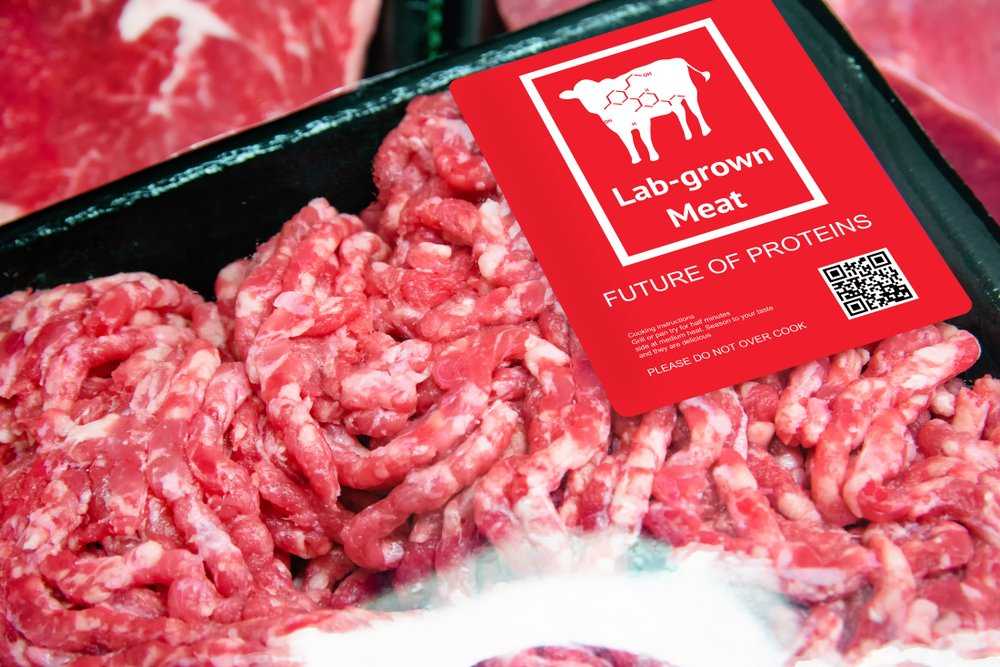
As I make my way toward the “Pure in Balance” section in the Dining Hall, I’m magnetically drawn to a tempting beef taco casserole and saucy barbeque meatballs. Then, to my surprise, I look at the menu and realize that they’re made with plant-based meat! When I first saw this at the DH last semester, I was a bit skeptical. Sure, I’d had an Impossible burger before, but could the Furman Dining Hall really pull off cooking plant-based meat at a large scale? I decided I’d give it a try, and as I took my first bite of a meatball, I was pleasantly surprised with its likeness to meat. It had the same texture, smokiness, and overall flavor as an animal-based meatball. Coincidentally, a few days later, my mom sent me a podcast on cell-based meat (also known as “clean” meat), which is a new protein alternative currently in the works. I was infatuated with this idea that meat can be created in a lab using animal cells as a more sustainable, cruelty-free alternative to traditional meat. From that point on, I’ve continued to order the plant-based meat at the DH… and wondered if cell-based meat could become as widespread as plant-based meat, or even plant-based milks.

Will cell-based meat become as widespread as plant-based meat? (Shutterstock)

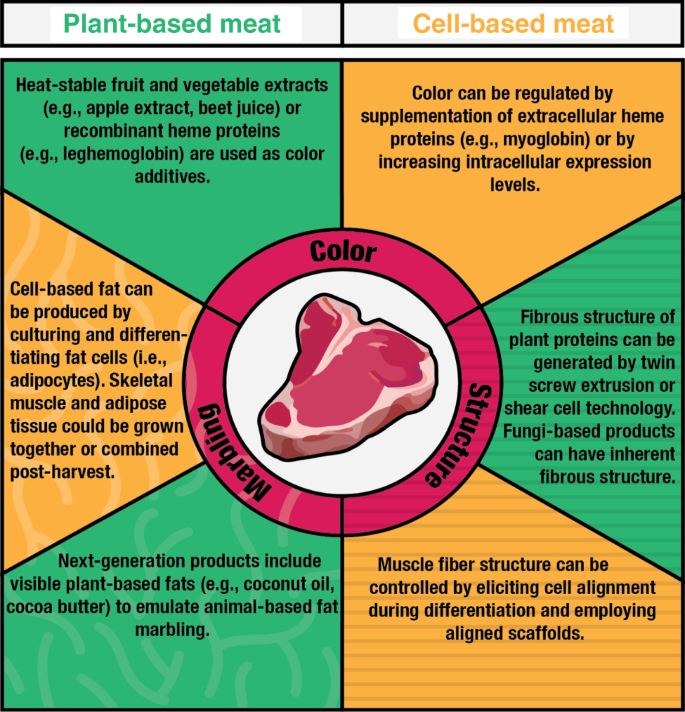
I was still puzzled, and a bit skeptical, about how this “meat clone” could be grown from cells in a lab; it almost sounds like a concept from a sci-fi movie. I learned that cell-based meat is created by producing commodities from muscle or fat cells of animal donors rather than whole organisms. Initial sources of cells are produced by animal donors who are anesthetized while a small section of tissue is removed. In this way, these cells are immortalized and are able to continuously proliferate – in much the same way plants are propagated – so that animal donors don’t have to continue being used. Though plant-based meat (produced from ingredients such as soy, beets, beans, and other grains and vegetables) are already a relatively popular alternative to animal meat, there are notable differences between this iteration and its cell-based sibling. Plant-based meat retains much of the functionality and nutrition of animal protein, but has an altogether different composition than meat, so is less able to mimic flavors and texture. In contrast, cell-based meat is more indistinguishable from traditional meat, as it has been “grown” from the cells of animals and therefore preserves the same composition as animal-based meat (Rubio et al. 2).

Key differences between CBM and PBM (Rubio et al. 5)

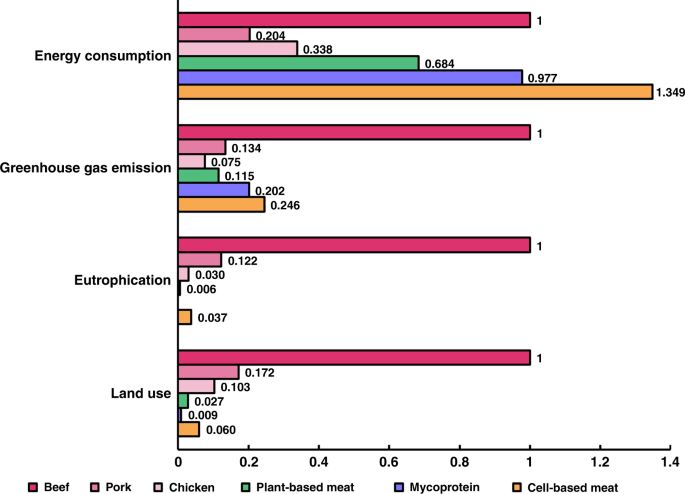
In researching more about cell-based meat, I was amazed to discover its sustainability as an alternative to animal – or even plant-based – meat. Throughout my time at Furman, whether through Eco Reps or a sustainability class, I’ve learned how detrimental animal farming is to the planet, as well as to animal and human health. One of the most destructive aspects of the livestock industry is the amount of greenhouse gas it produces. Methane, a dangerous greenhouse gas with high global warming potential, is produced by livestock – specifically cattle that consume grain-based foods (Garnett et al. 71). The livestock sector is also a major contributor to the production of nitrous oxide, a potent greenhouse gas that makes up 30% of the ruminant emissions total (Garnett et al. 72). But global warming due to excess greenhouse gas emissions isn’t the only issue linked to animal farming. This industry is responsible for the spread of foodborne illnesses to humans, as well as infectious and zoonotic diseases, like COVID-19. Such pathogens spread through factory farms and meatpacking plants, due to the fact that animals are processed as raw material input for meat production in notoriously unsanitary conditions (Rubio et al. 1). There’s also a conspicuous animal welfare issue within the livestock industry, with billions of animals killed or suffering due to our appetite for animal meat (Rubio et al. 2). However, cell-based meat will eliminate almost all of these issues. According to the journal article “Plant-based and cell-based approaches to meat production” published by Rubio et al., “The first relevant LCA published in 2011 estimated CBM would involve lower energy consumption (7–45%), greenhouse gas emissions (78–96%), land use (99%), and water use (82–96%) compared to ABM” (Rubio et al. 7). Moreover, with cell-based meat production, it’s almost impossible to spread foodborne illnesses or diseases because cell proliferation requires extremely sterile conditions, preventing contamination of pathogens (Rubio et al. 6). And, since the cells of the animal donors are able to be genetically immortalized, there’s no need for widespread slaughter. Cell-based meat will nearly eliminate the animal suffering, spread of foodborne and zoonotic disease, and most of the environmental issues caused by animal-based meat.

Comparison of sustainability of ABM, CBM, and PBM (Rubio et al. 6)

It’s theorized that cell-based meat could reach a larger scale of animal-based meat-eaters than plant-based meat has, since the taste and texture of cell-based meat is extremely similar to that of animal-based meat; there simply wouldn’t be as much for meat-eaters to “give up” in terms of what they enjoy about meat. In fact, studies show that even if cell-based meat was quite a bit more expensive than animal-based meat, there’d still be a relatively large market for it. Recently, a Netherlands consumer acceptance survey was conducted, showing that 58% of interviewees were willing to pay 37% more for cell-based beef compared to animal-based beef (Rubio et al. 3). If this is the case, how close are we to commercializing cell-based meat and producing it at large-scale? Currently, a ramped-up supply of cell-based meat is disrupted by high production costs and a lack of fundamental knowledge on the costs, nutritional value, and sensory properties of these cell-cultured tissues (Rubio et al. 9). Despite these hurdles, there has been some movement toward getting cell-based meat into production. It’s been decided that in the U.S., cell-based meat will be regulated by the FDA, which will regulate cell storage, isolation, and growth, and the USDA, which will oversee these products for the rest of the commercialization process (Rubio et al. 4). In its push for cell-based meat to become a wide scale protein alternative, The Good Food Institute operates as an international nonprofit sharing knowledge and research with the public and working across the supply chain and within public and private sectors to further a mission of promoting alternative proteins. They focus on the science of PBM and CBM, advocate fair policy and public funding to offer solutions to government issues, and find market opportunities and tailored guidance for producing and selling these plant-based and cell-based products (The Good Food Institute). With organizations like GFI and its mobilization of some of the nation’s leading meat producers to reimagine and retool, it’s possible that we could see cell-based protein alternatives being pushed into markets, perhaps becoming as widespread as plant-based meat, in the very near future.

Cell-based meat is a demonstrably sustainable alternative to animal-based meat in that it will decrease environmental, human health, and animal welfare issues. But what is equally exciting is the promise that it could crack open a brand new field requiring the emergence of innovative companies (think meat “breweries”!) and related career opportunities across the world (The Good Food Institute). Cell-based meat may not completely eliminate animal-based meat production. However, the demand for factory-farmed, lower quality meat could be filled by cell-based meat, while animal-based meat made sustainably on a small-scale could become the core of the demand for higher quality meat (Rubio et al. 9). So, rather than wiping out animal-based meat completely, cell-based meat could be offered in tandem with its traditional brethren, satisfying both vegans and carnivores alike.

Sources:

Garnett, Tara, and Cecile Godde. “Grazed and Confused?” Food Climate Research Network, Environmental Change Institute, 2017.

Rubio, N. R., Xiang, N., & Kaplan, D. L. (2020). Plant-based and cell-based approaches to meat production. Nature Communications, 11(1), 1-11. doi:10.1038/s41467-020-20061-y

The Good Food Institute. (2021, February 16). Retrieved March 02, 2021, from https://gfi.org/

The Furman Farm: a Champion for Biodiversity on Campus

Calla Pederson

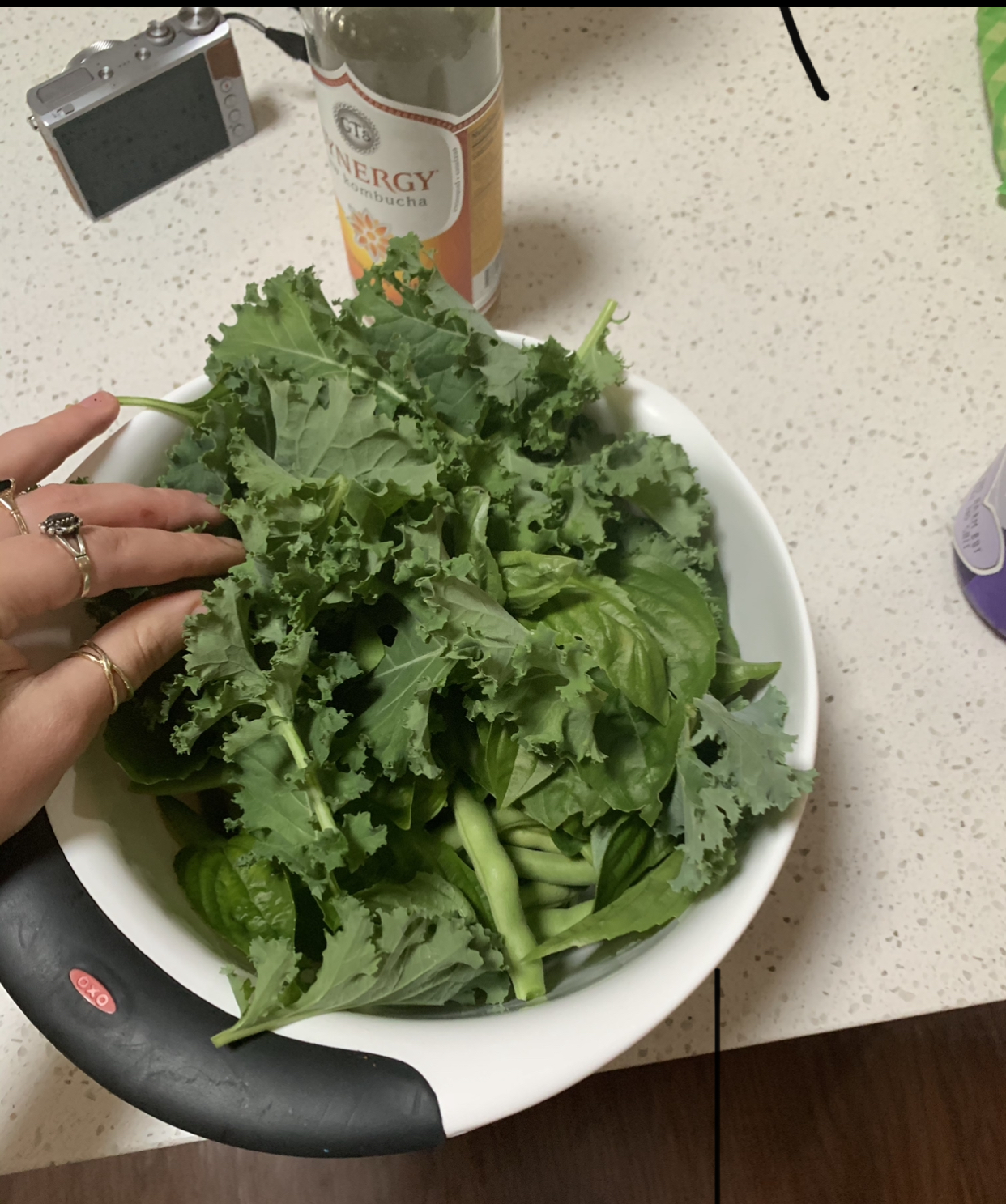
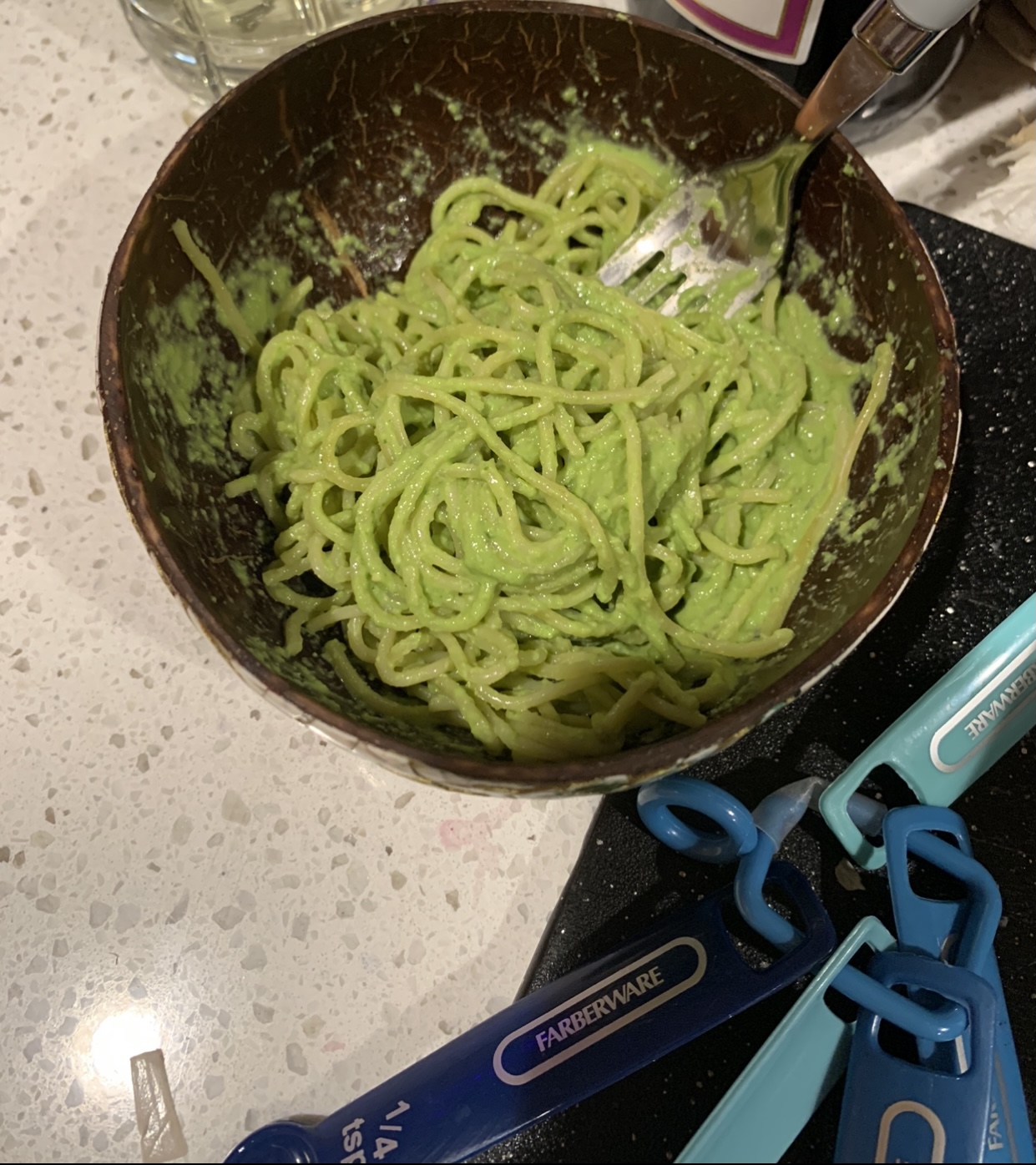
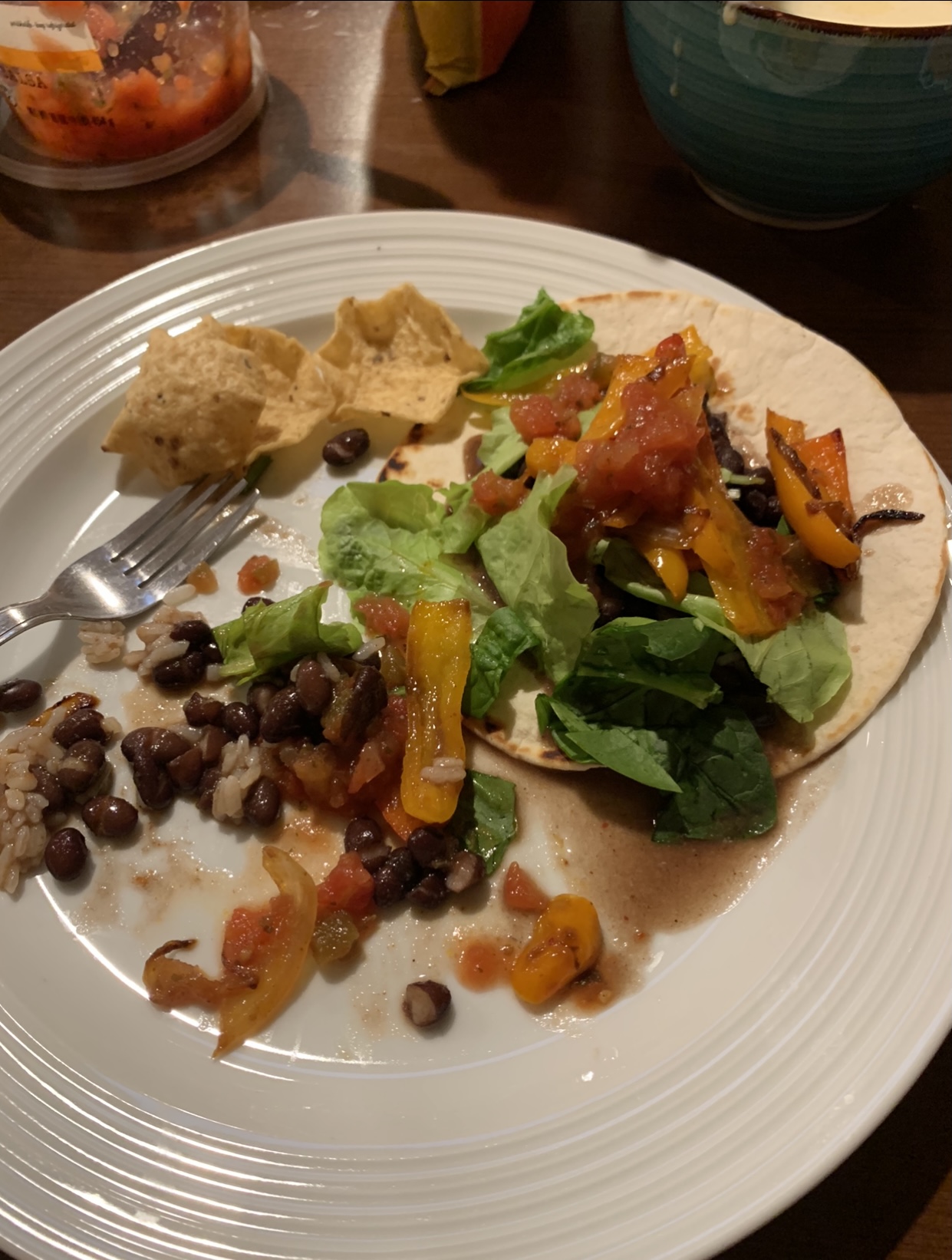
The cabin reaped the benefits of last fall’s harvest on the Furman Farm: from pesto, to salads, to tacos, to roasted veggie sides, the fresh, organic produce was a luxury.  Oftentimes, organic foods are seen as too pricey, unnecessary, or a marketing ploy. While words suggesting the food is “natural” are often used to enthrall the consumer, I can attest to the higher quality of organic produce, as can the surrounding environment.

Kale from the garden!
Pesto made with Furman Farm basil
Tacos featuring lettuce from the farm


Some background – I am a biology major currently taking my research/writing intensive class. For class, we have to pick a research topic, and mine currently has to do with how more sustainable agricultural practices contribute to biodiversity of the ecosystem of which the farm is a part. Loss of species is happening at an accelerated rate. Since all life on Earth is connected in some way or another, this affects everything in some way, including humans. For example, the increasing extinction rates in biologically diverse ecosystems, such as rainforests, lead to increasing costs to maintain agricultural production, clean air and water, and even human health (libretexts). Although modern society and technology have given the illusion that humans are removed from ecosystems and nature, we still rely on plants for everything – food, medicine, clothes, clean air, and clean water – just to name a few.

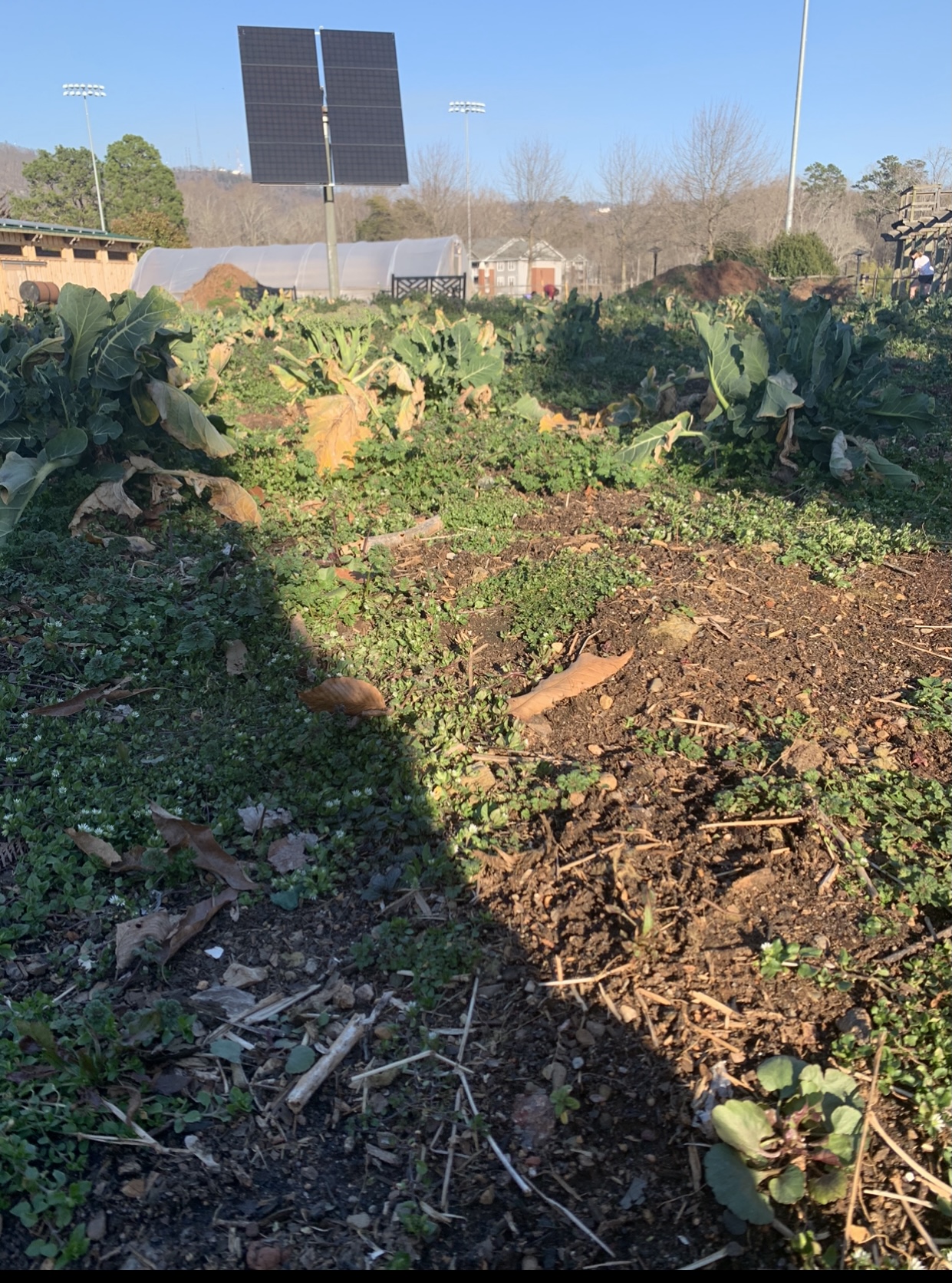
Organic farming supports biodiversity and environmental health literally from the ground up. The lack of pesticide, herbicide, and fungicide use all support the life of microorganisms and other important species, like insects, that call the soil home. These species contribute to the nutrient content of the soil, via waste. Microorganisms help decompose organic matter, releasing excess nutrients into the system for use by plants (“Soil Biological Fertility”). Many organic farms allow underlying vegetation to grow, which creates habitats for wildlife (Myers et al., 2019). This contributes to biodiversity on a larger scale. Organic practices also help keep water clean by eliminating use of toxic chemicals (“Environmental Benefits of Organic”). Organic farming even actively fights climate change by sequestering carbon (“Environmental  Benefits of Organic”)! As organic carbon matter decomposes, it gets converted to carbon dioxide through respiration, but practices commonly found on organic farms, like conservation tillage, cover cropping, and crop rotation, increase the amount of carbon (organic matter) stored in the soil (**sourced from my mom who works for NRCS).

Vegetation left relatively undisturbed to create habitats and contribute to soil health!

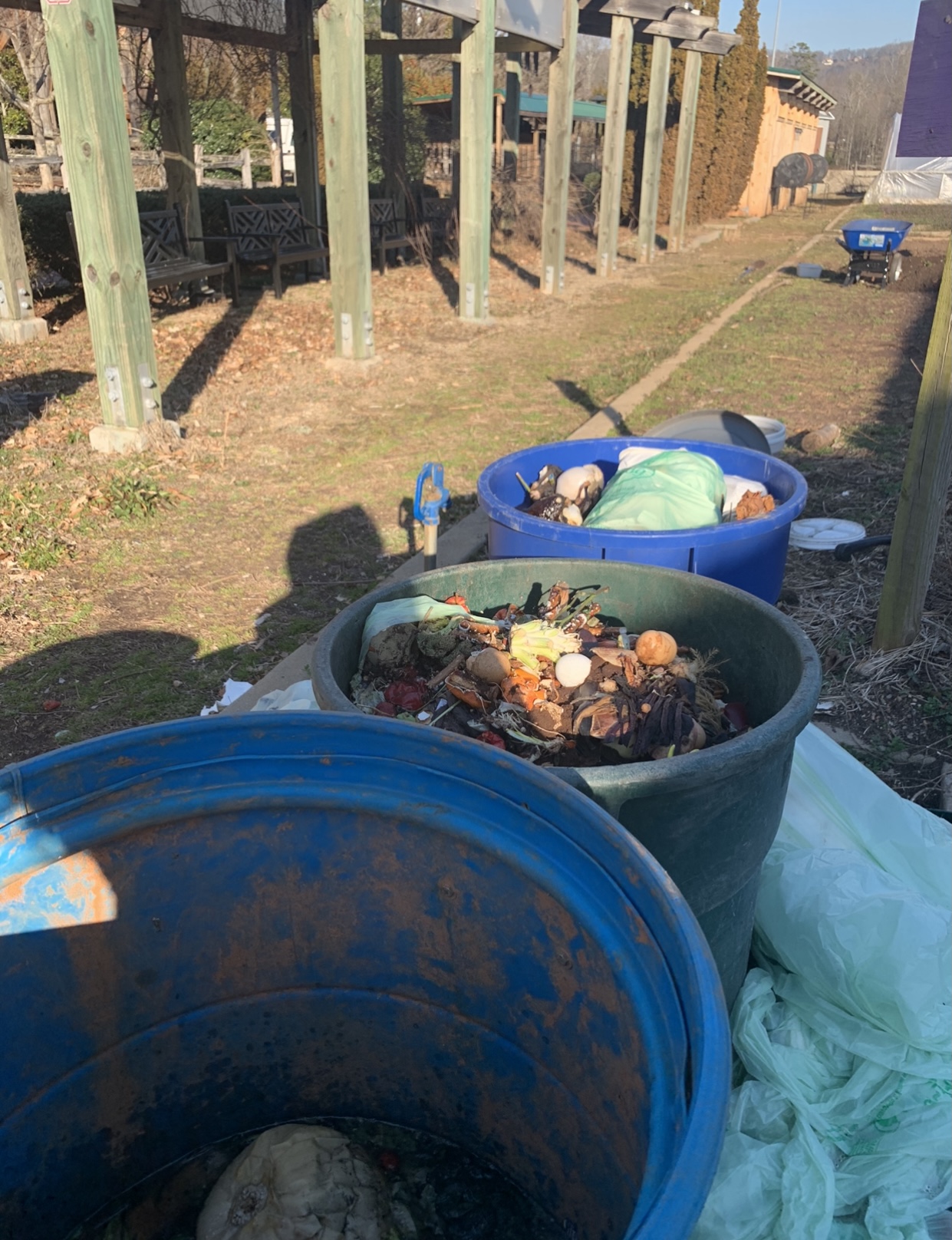
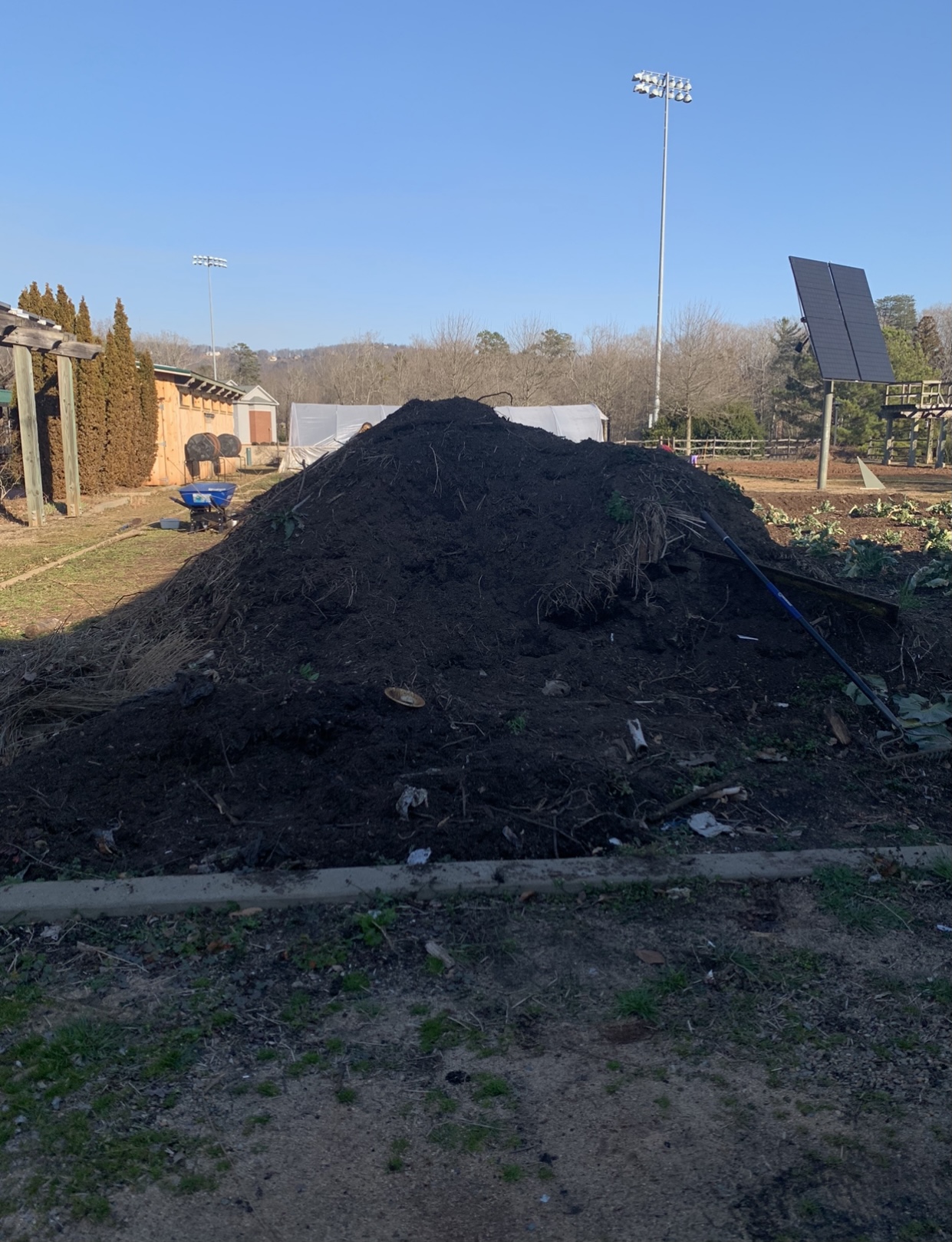
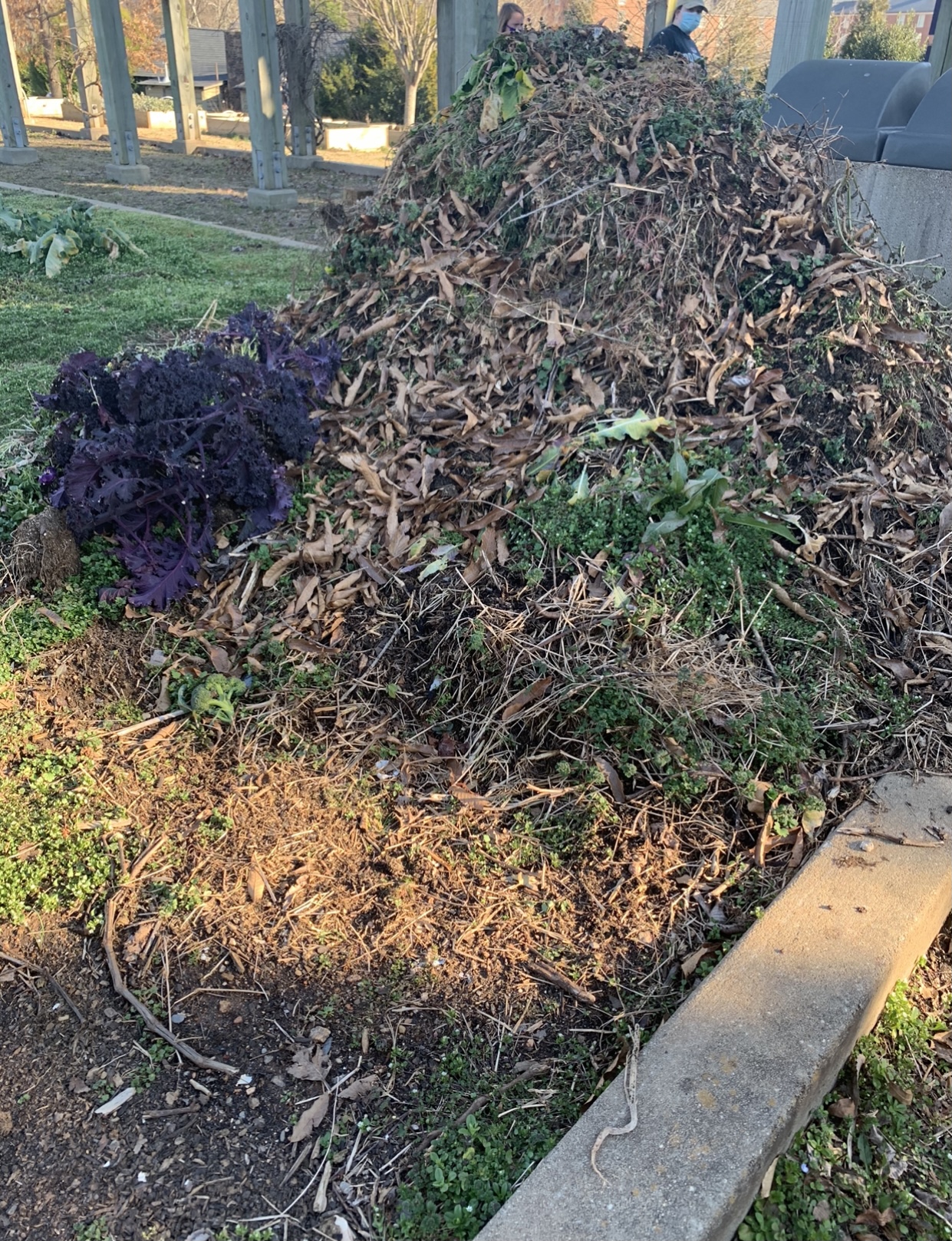
Composting, which is integral to organic farms’ practices like Furman’s, has a plethora of environmental benefits – biodiversity among them. Microorganisms love compost and quicken its decay (“The Top Benefits of Composting”). These microorganisms also assist in aerating the soil, which helps ensure that micronutrients are readily available in their most usable state (“The Top Benefits of Composting”). Composting benefits all aspects of farming, as composted soil is nutrient rich and aids in plant growth, and the soil attracts microorganisms and insects, which further enrich the soil and boost plant growth.

Site for collection of residential compost on the farm
Homogenized compost at the Furman Farm
More decomposing organic matter!


Research suggests that organic farming practices support biodiversity. Tuck et al. found that species richness on organic farms is, on average, 34% richer than on conventional farms. They also found that plants and microbes are among the taxonomic groups that benefit the most from organic farming practices, which makes sense, considering all we have learned about composting and other organic practices (Tuck et al., 2014). The findings from this study suggest that the benefits of organic farming are “robust across sampling sizes” (Tuck et al., 2014). Despite the fact that the Furman Farm is a small one, its positive environmental impacts are substantial. However, they also found that biodiversity increased as the percentage of the landscape consisting of arable land (farmland) increased, so larger organic farms have a greater impact on biodiversity (Tuck et al., 2014). Another study used acoustic indices to compare the abundance and diversity of birds on organic versus conventional farms. Bird-prevalence was used as a marker of biodiversity, and the study found that organic farms had much more diverse sounds and a greater abundance of sounds stemming from animals and other life, which are key to biodiversity (Myers et al., 2019).

One still heavily-contested drawback of organic farming is that it produces significantly smaller yields than conventional agriculture, which is key to feeding the world, especially one with such a rapidly growing population. However, one alternative suggested by Tuck et al. is to combine organic practices with conventional agriculture, or even just have a small portion of a conventional farm operated organically in order to support wildlife and biodiversity more in the area. This issue definitely isn’t going away any time soon, so it is increasingly important that humans develop new (or return to old!) agricultural practices as the population and climate develops and changes.

Work Cited:

“Environmental Benefits of Organic.” OTA, ota.com/organic-101/environmental-benefits-organic#:~:text=Instead%20of%20relying%20on%20synthetic,cover%20cropping%2C%20and%20crop%20rotation.

Libretexts. “21.1: Importance of Biodiversity.” Biology LibreTexts, Libretexts, 15 Aug. 2020, bio.libretexts.org/Bookshelves/Introductory_and_General_Biology/Book%3A_Concepts_in_Biology_(OpenStax)/21%3A_Conservation_and_Biodiversity/21.1%3A_Importance_of_Biodiversity.

Myers, David, Håkan Berg, and Giorgos Maneas. “Comparing the soundscapes of organic and conventional olive groves: A potential method for bird diversity monitoring.” Ecological indicators 103 (2019): 642-649.

“Soil Biological Fertility.” Soil Biological Fertility | Fact Sheets, www.soilquality.org.au/factsheets/soil-biological-fertility#:~:text=Soil%20microorganisms%20(figure%201)%20are,be%20taken%20up%20by%20plants.

“The Top Benefits of Composting.” BioEnergy Consult, 12 Aug. 2020, www.bioenergyconsult.com/top-benefits-of-composting/.

Tuck, Sean L., et al. “Land‐use intensity and the effects of organic farming on biodiversity: a hierarchical meta‐analysis.” (2014).