The Not-so-scary Hero of Sustainability

Happy Halloween! As October comes to a close on All Hallow’s Eve, we are reminded of all things creepy, crawly, and altogether spooky. New horror movies premiere, and decorations adorn our spaces. Whether you like Halloween or not, you likely would agree that a common symbol of Halloween is bats. Many people see them as blood-sucking disease-carrying flying rodents that get stuck in human hair (Bat Conservation International). While these ideas are false, Halloween and the media make bats out to be some kind of seasonal monster. Bats could be an unsung hero of sustainability.

Lesser Long-Nosed Bat Seeking Nectar (J. Scott Altenbach)

I recently had the opportunity to go bat-watching with Furman’s Outdoors club. A senior at Furman, passionate about bats, gave us a

short presentation before we headed to Sunrift Adventures, a local outdoor gear outfitter, for their annual bat-watching event. There, my group and I learned all about bats and how they contribute to the environment. I was surprised by how much I learned and by how much I thought I knew about bats. Bats contribute to global sustainability in a number of ways, including but not limited to pest control, pollination, and dispersing seeds (U.S. Fish and Wildlife).

First, bats are really efficient at eating bugs. The most common bat in South Carolina, the Big Brown Bat (Eptesicus fuscus), eats hundreds of crop and forest pests an hour. Studies found a colony of 150 Big Brown Bats ate enough corn-crop-eating pests to reduce egg-laying by millions (Bat Conservation Inventory). This is a significant impact, making bats vital to the pest control efforts of farmers. But how does this relate to sustainability? Bats save the agriculture business an estimated $3 billion per year, cutting down on pesticide costs and crop damage (U.S. Fish and Wildlife). This reduces farmers’ dependency on pesticides, which can contaminate soil and nearby water sources. The pollution caused by pesticides can harm wildlife and impact human health as well (National Library of Medicine). So, insect-eating bats are a huge help in cutting down on agricultural costs and reducing pollution.

Big Brown Bat Climbing Tree (Michael Durham/Menden Pictures)

However, not all bats eat insects; many feed on nectar. Bats are vital to the pollination of peaches, cloves, bananas, and agaves. In fact, they are the sole pollinator of agave, which is a key ingredient of tequila, contributing to a multi-billion-dollar industry (U.S. Fish and Wildlife). Feeding on the nectar of these plants, bats are important pollinators in our ecosystem.

Another food source for bats is fruit. Bats feed on a variety of fruits, contributing to a great deal of necessary seed dispersal to boost plant populations. Actually, fruit-eating bats contribute to around 95% of the seed dispersal needed for early plant growth of recently cleared rainforests (U.S. Fish and Wildlife). Bats are an important part of the seed dispersal cycle and reviving deforested land.

Bats are essential for fostering sustainable agriculture practices. Sustainable farming benefits our society economically and cuts down on harmful pollution. Basically, the more bats we can sustain in an environment, the more sustainable our communities can be. Common misconceptions about bats and our fears prevent us from realizing the potential benefits of working towards greater bat conservation.

Even writing this blog post, my friends were skeptical of bats, saying, “Didn’t they cause COVID?” This and other common misconceptions make conservation efforts more difficult and even conversations. So, next time you get the chance, help set the record straight for bats. After doing brief research, I am feeling passionate about bats and how they can benefit our communities. I plan to put up a bat box or two around the Greenbelt community and I encourage others to foster a healthy environment for bats too. Improving Bat Houses in America: Nearly 40 Years of Progress and Still  Learning - Merlin Tuttle's Bat Conservation“This Texas Hill Country bat house became overcrowded within days by Brazilian free-tailed bats (Tadarida brasiliensis)”. (Tuttle, 2020)
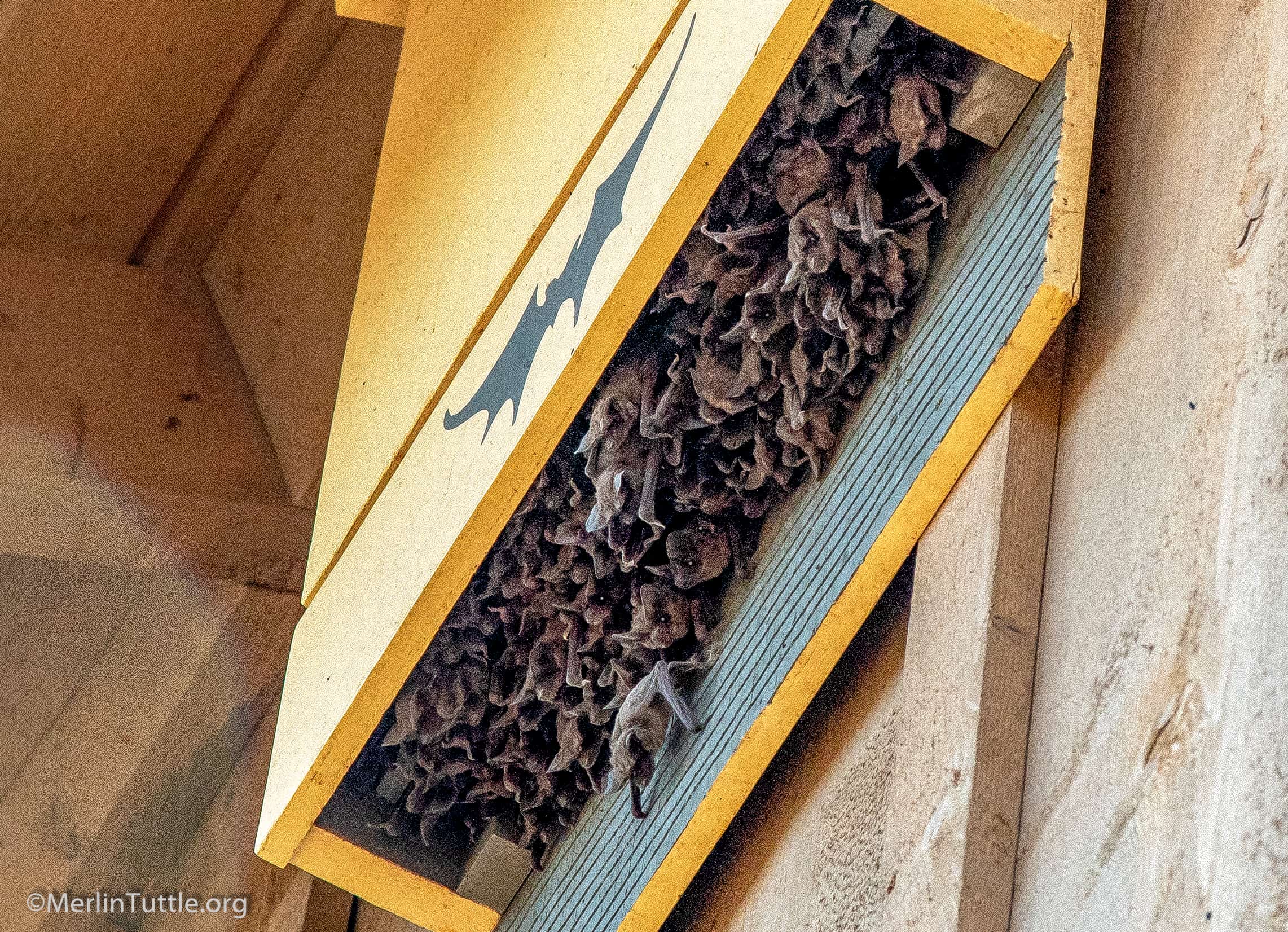
In short, bats could be a secret hero of sustainability. If we can be more aware of these little flying creatures, and work towards squashing bat misconceptions, we can work towards a more sustainable community. This starts on a small scale. Living in the Greenbelt, I have been able to better understand that sustainability often starts out in small and diverse ways. Next time you look up in the night sky and spot a bat swooping down, think about how the little mammal could make a big impact on working towards a more sustainable future.


Capitalism and Sustainability

Capitalism is an ideology that fuels growth, described in the Oxford English Dictionary as “an economic system … for the purpose of profit.” This sounds all well and good; profit is how businesses run, profit prioritization means more businesses doing well, it means more money gets made.

[1] Industrial Production 1920-2020
               While it sounds great on the surface, the effect of a constant drive for increasing profit is an ever-growing market for production in order to achieve these higher profits. Capitalists and those against them could spend days debating about whether or not this is beneficial for the economy or well-being or any other issue. What is important in this article is the sustainability of capitalism. Referring to figure 2, a graph that depicts total CO2 emissions since the Industrial Revolution (the expansion point of modern capitalism). Since 1750, emissions have increased from .1 gigatons of carbon dioxide per year to a whopping 37.79 in 2023, double 1980’s number and about seven times as much CO2 as total production in 1950.

[2] Carbon Dioxide Production 1750-2023
               These numbers alone mean nothing; we must first understand why CO2 production is important to consider as a threat to the environment. Well, even a Trump government explains this on the “climate.gov” website. CO2 absorbs heat emitted by the Earth’s surface and releases it back towards Earth. In fact, the government website claims that “carbon dioxide alone is responsible for about 80 percent of the total heating influence of all human-produced greenhouse gases since 1990.”

But wait! That isn’t all. Limiting CO2 emissions are also important because it helps prevent a phenomenon referred to as “ocean acidification.” A process in which CO2 dissolves in the ocean, creating carbonic acid. This excess oxygen has, “since the start of the Industrial Revolution, [caused] the pH of the ocean’s surface waters [to drop] from 8.21 to 8.10,” directly leading to harm on marine life’s ability to perform basic life functions (Climte.gov).

So, CO2 emissions cause the world to heat up, and maybe that’s bad, but what could do better?

Boy, am I glad that someone asked!

Often capitalism is postured to be the perfect strategy for climate change prevention. Capitalism is said to increase innovation which can help create more climate friendly models of production and green technologies that can prevent the effects of the impending climate crisis.

This is another example where, as great as this sounds on paper, in reality, capitalism only ever stifles the long-term solutions required to prevent global warming.

The model of increasing production in order to eventually decrease it is referred to as “green growth.” Green growth is not a theory, but the reality of the status quo. For example, in the years after the 2008 recession a small portion of stimulus packages were put towards climate investment, a move that justified the expansion of practices such as fracking that further the deterioration of the global ecosystem (Taherzadeh).

Green growth is a short-sighted and temporary goal. The Biden administration LOVED green growth, investing hundreds of billions of dollars into proposed climate solutions like extending EV tax credits, energy tax credits, and loans for the Department of Energy (“Factsheet”). Each of these reforms, and more, have been overturned by the Trump administration.

The result of Biden’s policies was a flimsy justification for increased production because climate spending was higher than ever, only for the climate spending to halt and production to increase even further. Short term liberal policies only pander to voters, achieving little change that lasts; instead, the only long-term solution is a multifaceted strategy for degrowth and an increase in technology that mitigates the coming impacts of climate collapse.

The transition from a profit society to a degrowth economy is not easy, but it is one that is necessary in the face of ever-expanding global warming. Just this week, news outlets reported that “The World’s First Climate Tipping Point Has Been Crossed” (Shah, Readfearn). It is too late to try and fix capitalism; we need an alternative—we need to take risks.

[3] Global Temperature Increase since 1940
               Degrowth can be defined, loosely, as “a democratically deliberated absolute reduction of material and energy throughput, which ensures well-being for all within planetary boundaries” (“Degrowth and Strategy”). A plurality of approaches is needed to achieve a world where production is decreased by the volume necessary to prevent, should prevention even be possible at this point, climate collapse. One degrowth proponent and anthropologist, Jason Hickel, wrote in his 2020 book, Less is More: How Degrowth Will Save the World, that degrowth should be a slow, transitional period. He focuses on reducing waste (ie. Right to repair, no more warranties, and prevent food waste), changing the economic structure to expand public services, and eliminate substantial portions of wasteful industries (arms manufacturing, fossil fuels, and advertising).

Hickel’s solution might have been reasonable a decade or two ago, before we exceeded the 1.5°C mark, but I am calling for more radical action. In order to prevent climate collapse there needs to be a drastic restructuring of our priorities, degrowth alone will only slow the doom that humanity is heading towards. In addition to slowing production and decreasing waste, we need to undo centuries of damage in a fraction of the time.

As previously mentioned, carbon monoxide is THE pollutant. Removing the gas is unavoidable, and the earlier we transition to using resources to develop climate removal technology, the sooner the world can begin to heal. These solutions are numerous, some involving technology, others involving natural solutions, and others combining the two (Naimoli).

To conclude, capitalism is a system that directly leads to environmental harm, with its proposed solutions bringing about no needed change. We live in a world on its death bed and capitalism is its weird holistic medicine daughter who won’t let the doctors do the job that needs to be done. Degrowth and carbon dioxide reduction are the doctors we need.

This post is limited in detail in many of its elements, so I encourage the reader to expand their knowledge, read the sources linked or do further research in how capitalism is killing the planet.

Greener Beef

Greener Beef 

Over the past few decades, society has begun to push back against global warming, slashing CO2 emissions, and implementing green policies. But while CO2 has remained a primary focus, other greenhouse gases like methane have been forgotten. Methane is primarily released as a result of agriculture, more specifically, cattle. These large ruminants release over 30% of all global methane, impacting the environment beyond their already enormous consumption needs. However, a recent discovery may change this problem forever. By supplementing bovine diets with a small amount of seaweed, scientists have shown an astonishing 82% methane reduction! While only being demonstrated at a small scale, this slight diet change could be the next step towards sustainable cattle farming. 

How do Greenhouse Gases Affect the Environment? 

Before we discuss how seaweed reduces methane emissions, it is essential to understand how greenhouse gases, like methane, cause global warming. Greenhouse gases heat up the atmosphere by trapping heat from the sun, warming the planet, and driving climate change. We can see the impacts of the greenhouse effect in the increasingly erratic weather patterns across the globe, loss of polar and glacial ice, and rising sea level. Carbon dioxide is the most well-known greenhouse gas because it is released in large quantities from burning fossil fuels, cement production, and deforestation. It remains in the atmosphere for centuries, causing long-term warming. On the other hand, methane is much more potent in the short term, over 25 times stronger than CO₂ at trapping heat, but it persists for a shorter time in the atmosphere.  

How does Seaweed help solve this issue? 

A big share of globally produced methane comes from agriculture, especially cows. When cattle digest their food, microbes in their stomachs (the rumen) break down grasses and release methane through a process called enteric fermentation. Researchers have found that a red seaweed called Asparagopsis taxiformis can sharply cut methane from cattle. In a 2021 study, Roque et al. showed that adding a small amount of this seaweed to cow feed reduced methane emissions by more than 80%, without affecting animal health or growth. This is thanks to a natural compound called bromoform found in this seaweed. It disrupts the enzymes that methane-producing microbes in the rumen rely on, and with that process blocked, cows produce far less methane. 

How would this be implemented? 

The truth is that scaling this project will be challenging to say the least. Growing enough Asparagopsis for millions of cattle means expanding sustainable seaweed farming will be quite a challenge. Scaling production in a sustainable manner and evaluating the impact that oceanic monocropping may have must be considered. There are also open questions about long-term effects on animals and whether the methane cuts last. Still, the potential is huge. If global cattle emissions fell by 82%, as lab studies suggest, annual global warming could be reduced by 5-8%, buying us the essential time we need to solve climate change. While feeding cattle seaweed won’t solve climate change, it is an important discovery on a journey to greener beef. 

Breanna M. Roque, Marielena Venegas, Robert D. Kinley, Rocky de Nys, Toni L. Duarte, Xiang Yang, Ermias Kebreab. Red seaweed (Asparagopsis taxiformis) supplementation reduces enteric methane by over 80 percent in beef steers. PLOS ONE, 2021; 16 (3): e0247820 DOI: https://journals.plos.org/plosone/article?id=10.1371/journal.pone.0247820

Shan, Yuli, et al. “Global Methane Footprints Growth and Drivers 1990–2023.” Nature Communications, vol. 16, no. 2147, 2025, pp. 1–12. Nature Publishing Group, https://doi.org/10.1038/s41467-025-63383-5  

Lau, Bon. “What Are the Major Sources of Methane in the Atmosphere?” Earth.Org, 12 Dec. 2022, https://earth.org/sources-of-methane-in-the-atmosphere/  

Greener Grazing. (n.d.). Greenergrazing.org. https://www.google.com/url?sa=i&url=https%3A%2F%2Fwww.greenergrazing.org%2F&psig=AOvVaw0I72QLNh8Tnmo0xVwo0365&ust=1760658157935000&source=images&cd=vfe&opi=89978449&ved=0CBYQjRxqFwoTCNjuq_Owp5ADFQAAAAAdAAAAABAE  


Swinging For Sustainability

Either endless stretches of lush grass with ponds reflecting the morning sun or the frustration that creeps into your mind when you’re trying to hit a golf ball in the air come to mind when people think of golf. Having said that, golf courses are made to be aesthetically pleasing. Beneath this serene picture, however, is a long-running controversy: are golf courses environmentally friendly or harmful? Modern sustainable golf practices demonstrate that golf can actually promote biodiversity, resource conservation, and community engagement—values that reflect the sustainable spirit of living here inthe Greenbelt—though some critics contend that the sport’s manicured elegance comes at an ecological cost.

Figure 1. The Furman Golf Course, a stroll away from the Greenbelt’s Cabin and Cottage, is one of Furman’s most beautiful creations.

I witness this balance on a daily basis as a resident of the Greenbelt community. I live in the Cabin, and the Furman Golf Course is just a short stroll away. As a casual golfer, I’ve learned to value both the game’s difficulty and the setting in which it is played. The course is one of the most serene areas of campus because of its undulating greens and shaded trees. However, I’ve frequently questioned whether preserving that beauty is too expensive.

It’s true that there has been harsh environmental criticism of golf. Vibrant turf and well-kept fairways are not natural. For upkeep, they need fertilizer, pesticides, and water. Groundwater near Florida golf courses has been found to be contaminated with pesticides, demonstrating how maintenance practices can negatively impact local ecosystems (U.S. Geological Survey, 1995). The sport appears wasteful because golf courses in drier regions of the world can use millions of gallons of water every day. From that angle, it’s simple to see why some might believe that golf is bad for sustainability.

But at Furman, the golf course tells a more hopeful story. The fairways are surrounded by native trees, and it’s common to see waterfowl by the ponds or hawks gliding over the pines. Despite their apparent insignificance, these details show a growing movement to make golf

Figure 2. Native wildlife thrives on the golf courses thanks to protected natural areas.

courses more ecologically conscious. According to research from the Stockholm Resilience Centre, courses that preserve natural areas and use native plants can actually increase biodiversity rather than decrease it (Colding & Folke, 2008). A comparable initiative at the Yahara Hills golf course in Madison, Wisconsin, restored oak savannas and prairies, reintroducing native species (City of Madison, 2025). If handled properly, golf can be a part of the solution rather than the enemy of the environment.

Figure 3. Modern golf courses use recycled water and smart irrigation to conserve natural resources.

One of the main issues facing golf courses is ater use, but many are adjusting. According to the United States Golf Association (USGA), more than 60% of American golf courses currently employ drought-resistant grasses, efficient irrigation, and recycled water (USGA, 2023). Similar sustainable practices are used on the Furman course, such as native vegetation surrounding ponds to reduce runoff and controlled irrigation zones. These kinds of efforts show that golf can move away from wastefulness toward real conservation.


Figure 4. Electric carts and solar-powered facilities help reduce golf’s carbon footprint.

            Golf is also taking steps to address climate change. Research by Bekken and Soldat (2021) found that while maintenance activities release some emissions, trees, turfgrass, and other vegetation can offset a large portion of that carbon when managed properly. Some courses are even switching to electric equipment and renewable energy sources. Beyond that, courses create green spaces that lower surrounding temperatures and improve air quality: benefits that matter a lot in increasingly urbanized areas (USGA, 2023).

Not everyone is persuaded, of course. Some continue to contend that the planet suffers as a result of golf’s obsession with perfection, which includes lush greens, spotless sand traps, and exquisite ponds. Deforestation and chemicals were major components of older courses. However, things are beginning to change. Pesticide use has significantly decreased as a result of the widespread adoption of organic fertilizers and integrated pest management (IPM) (USDA, 2024). In order to avoid the need for complete deforestation, new courses are frequently constructed on previously developed or degraded land (Colding & Folke, 2008). Golf’s image of wastefulness is gradually giving way to one of renewal and restoration.

The Furman course’s ability to unite people is what I appreciate most about it being close by. It is a part of the community and not just a place to play. According to Sustainable Golf (2024), a lot of courses now offer community service projects and environmental education programs that help link leisure with accountability. Living in the Cabin and occasionally going to the Furman Golf Course has made me realize that sustainability isn’t always about sacrificing something; sometimes it’s about reevaluating what we already have.

Figure 5. The Furman Golf Course serves as both recreation space and community hub for its campus.

The elegance of golf and its environmental challenges don’t have to be mutually exclusive. The development of the sport demonstrates that when people care enough to make them work together, leisure and sustainability can coexist. Golf courses like Furman’s can change from being representations of excess to being models of balance by increasing biodiversity, conserving water, lowering emissions, and encouraging community involvement. The course next door serves as a reminder to those of us in the Greenbelt that progress, not perfection, is what true sustainability is all about. By deciding to “swing in sustainability,” we’re not only enhancing our performance but also making an investment in the wellbeing of the planet where we play.


References:

Bekken, M., & Soldat, D. (2021). The Climate Impact of Golf Courses: Carbon Emissions and Management.
City of Madison. (2025). Advancing Golf Course Ecological Stewardship.
Colding, J., & Folke, C. (2008). The Role of Golf Courses in Biodiversity Conservation and Ecosystem Management.Stockholm Resilience Centre.

Furman Golf Club. (n.d.). Golf Course in Greenville, SC | Public Golf Course. Accessed October 9, 2025, https://www.furmangolfclub.com

Hoover Pumping Systems. (n.d.). Golf course irrigation trends to watch in 2024. Accessed October 9, 2025
Peña, C., et al. (2023). Environmental Impacts by Golf Courses and Strategies to Minimize Them.
Sustainable Golf. (2024). Community Engagement Through Sustainable Course Management.
United States Geological Survey (USGS). (1995). Pesticide Contamination in Groundwater at Florida Golf Courses.
United States Golf Association (USGA). (2023). Golf Course Environmental Benefits and Best Management Practices.

U.S. Golf Association. (n.d.). Fore the golfer: Wildlife on golf courses. Accessed October 9, 2025